On Maps, Race, and Diasporic Self-Fashioning in Early Nineteenth-Century Brazil
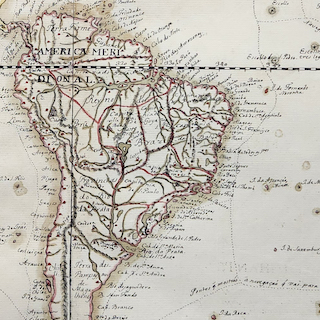
[author_affiliation] Overview What happens when we put Black Studies in conversation with the history of cartography? Katherine McKittrick, one of the key thinkers in Black Geographies, answers this question in a foundational essay when she writes that “Transatlantic slavery…was predicated on various practices of spatialized violence that targeted Black bodies and profited from erasing a […]
Patchwork Freedoms: Law, Slavery, and Race beyond Cuba’s Plantations
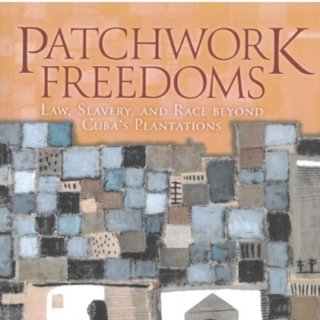
[author_affiliation] Overview An Excerpt from the Introduction Cover image based on Tu lugar, 2006. Painting by Juan Roberto Diago Durruthy. Throughout the nineteenth century, aided by railroads and steam technologies, industrial plantations expanded their footprint into ever new territories across Latin America. The timing was unique: the process occurred right as enslavement, the foundation of […]
Modeling the Marie-Séraphique: A Ship of the Trans-Atlantic Slave Trade
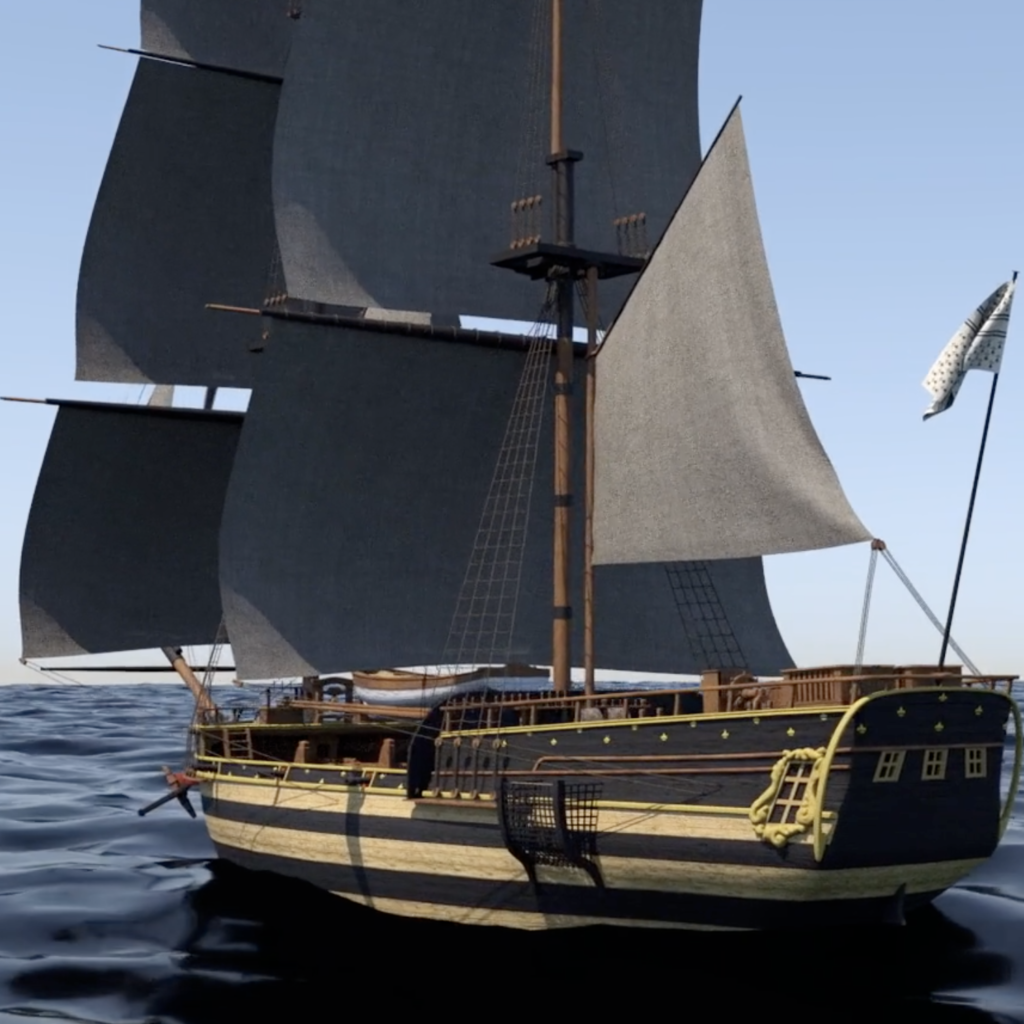
[author_affiliation] Overview Modeling the Marie-Séraphique The Marie-Séraphique Video Permissions Creative Commons license CC-BY-NDTo inquire about use permissions for all or part of these videos, contact Southern Spaces at seditor@emory.edu. Interested in submitting your work to Southern Spaces? Similar Publications Sections
Highlighting Charleston’s African American History through the Lowcountry Digital History Initiative
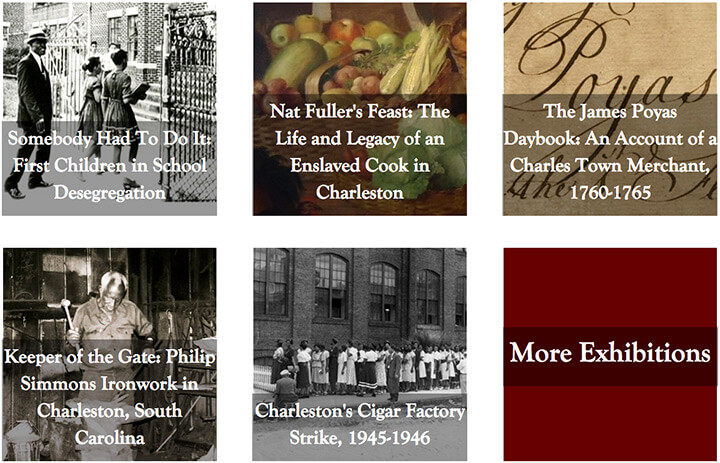
[author_affiliation] Overview The Lowcountry Digital History Initiative (LDHI) is an online public history project hosted by the Lowcountry Digital Library at the College of Charleston in Charleston, South Carolina. With grant support from the Humanities Council of South Carolina and a major award from the Gaylord and Dorothy Donnelley Foundation, LDHI launched in 2014 as a collaborative […]
Authorship in Africana Studies

[author_affiliation] Overview Joan Anim-Addo: Traveling with Imoinda This presentation raises questions primarily concerning art, authorship, and to a much lesser extent, critique, specifically in relationship to my libretto Imoinda or She Who Will Lose Her Name, written in 1997. The piece received a rehearsed reading in 1998 and was first published in 2003. Considering the art involved in […]